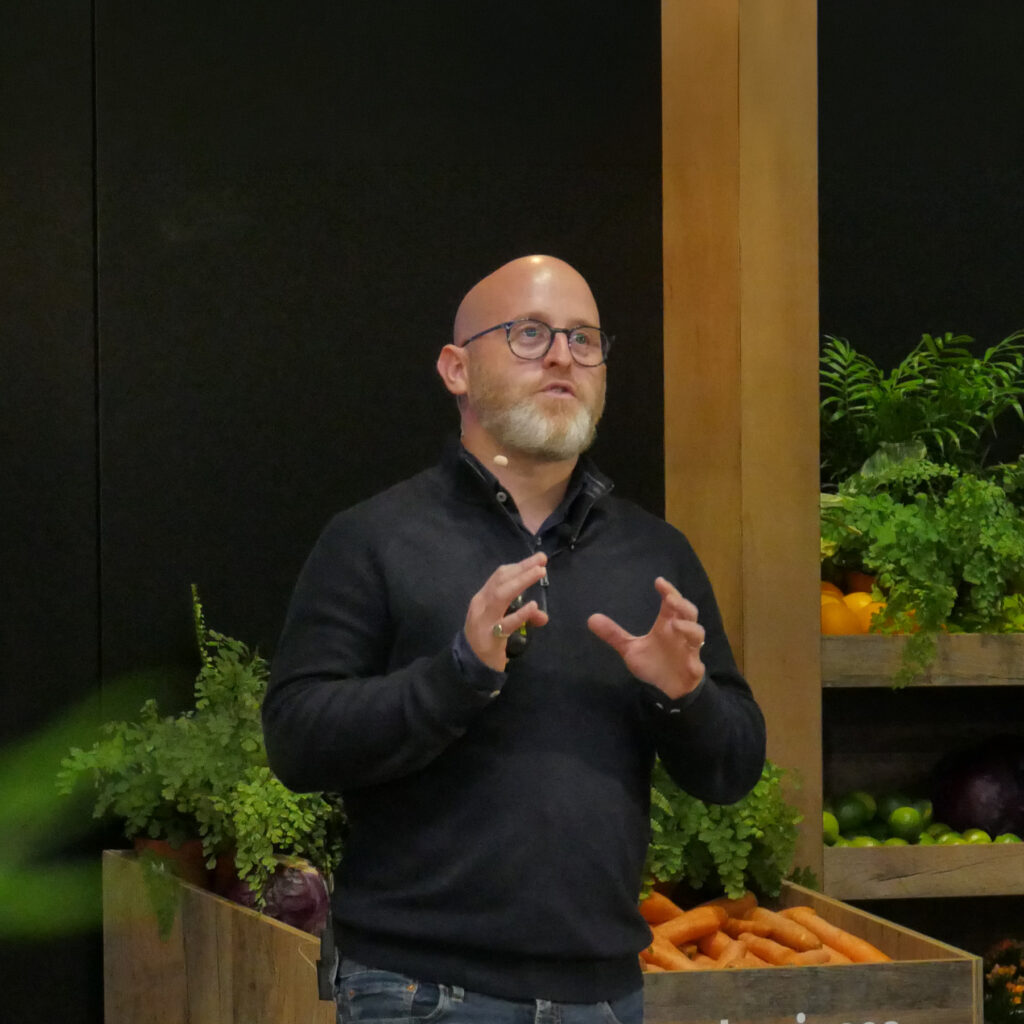
David Austin Roses is one of the most iconic names in horticulture, built on heritage breeding, craftsmanship, and a community that genuinely cares about the garden.
This episode of Grow with Evergreen explores how established brands can balance performance with authenticity, improve clarity across a multi-channel mix, and build marketing that earns attention rather than demanding it.
Current business overview
David Austin Roses was founded in 1969 by David Austin Sr, credited with pioneering the modern category of English Roses. The business combines heritage, product innovation, and a long-term view of customer value.
The company operates at meaningful scale with a sizeable in-house team. Marketing activity spans paid media, email, SEO, CRO, organic social, and ongoing channel tests. A key strength is community. Their social following is large and highly engaged, with active groups and conversations even beyond brand-owned channels.
Main challenges
The core challenge Fergus raised was attribution and decision-making at scale.
When multiple channels are working at once, it becomes difficult to know:
- Which channels are genuinely driving incremental growth
- How to compare platforms fairly when in-platform reporting is biased
- Where to invest next, not just in budget but in team resource
- How to avoid over-contacting customers across email, transactional messaging, and remarketing
Even when performance is strong, the risk is misallocating spend based on incomplete measurement, or letting one channel dominate because it “looks” best inside its own reporting.
Attribution approach
David Austin Roses implemented Polar Analytics using a linear attribution model to create a consistent, easy-to-explain view across channels.
The goal is not perfect truth. It’s a stable sanity check that prevents the team from blindly following platform data. Early insights aligned with common patterns:
- Meta tends to over-credit itself, even with tighter attribution windows
- Google can under-credit itself when viewed through last-touch behaviour
- A third-party lens creates a more level comparison across channels
The bigger win was internal clarity. One source of truth. One reporting language. Fewer debates driven by platform bias.
Marketing mix and what’s working
Fergus highlighted three pillars performing strongly:
Organic social and community:
The brand’s content is designed to be genuinely engaging and useful, not just product-led. The community is active, vocal, and deeply invested. That creates trust and momentum that paid media can’t manufacture.
Email marketing:
Email is a major lever, but the team is careful with frequency and relevance. A practical lesson: brands often underestimate how many emails a customer receives once transactional, survey, and service emails are included alongside campaigns.
Paid media:
Google remains the primary growth engine, supported by Meta across both acquisition and retargeting. Meta is meaningful but deliberately scaled in a measured way. Fergus’s approach is cautious: test, prove, then incrementally increase while watching true business return.
Dynamic personalised web content
One of the most interesting ideas discussed was dynamic personalised website content: tailoring what people see based on where they are in their relationship with the brand.
Examples:
- New visitors see more brand story, heritage, and guidance
- Returning visitors see more product-led recommendations and deeper content
- The experience becomes more relevant without becoming more aggressive
For a brand like David Austin Roses, this isn’t just conversion tech. It supports the wider mission: enriching the customer experience and strengthening long-term relationship value.
Ethical and authentic marketing
A standout theme was Fergus’s focus on ethical, authentic marketing.
The thinking is simple:
- You can be more aggressive and probably sell more in the short term
- But the brand’s role is bigger than a transaction
- Marketing should help people garden better, connect with nature, and care for roses for years, not just buy one this season
That drives the content strategy. Education-led storytelling. Behind-the-scenes access. Expertise from breeders and growers. Guidance that serves customers whether they’re ready to buy now or not.
Summary
This episode shows what modern marketing looks like inside a heritage brand: multi-channel, data-led, cautious with scaling, and deeply focused on long-term customer value.
David Austin Roses aren’t trying to out-shout competitors. They’re reinforcing trust through useful content, disciplined measurement, and marketing that respects the audience.
As channels fragment and attribution becomes harder, that combination of clarity and authenticity becomes a growth advantage in itself.
___
👋 Never miss an update. Sign up for our weekly newsletter.
👉 See our Home & garden stories (case studies) to discover how we grow brands online.
👉 Subscribe to our YouTube channel.
👉 Follow our Grow with Evergreen podcast on Spotify, YouTube & Apple Podcasts.
👉 Register your interest in our Home & Garden Growth Club